Baseball found an unlikely setting behind razor wire fencing this past weekend.
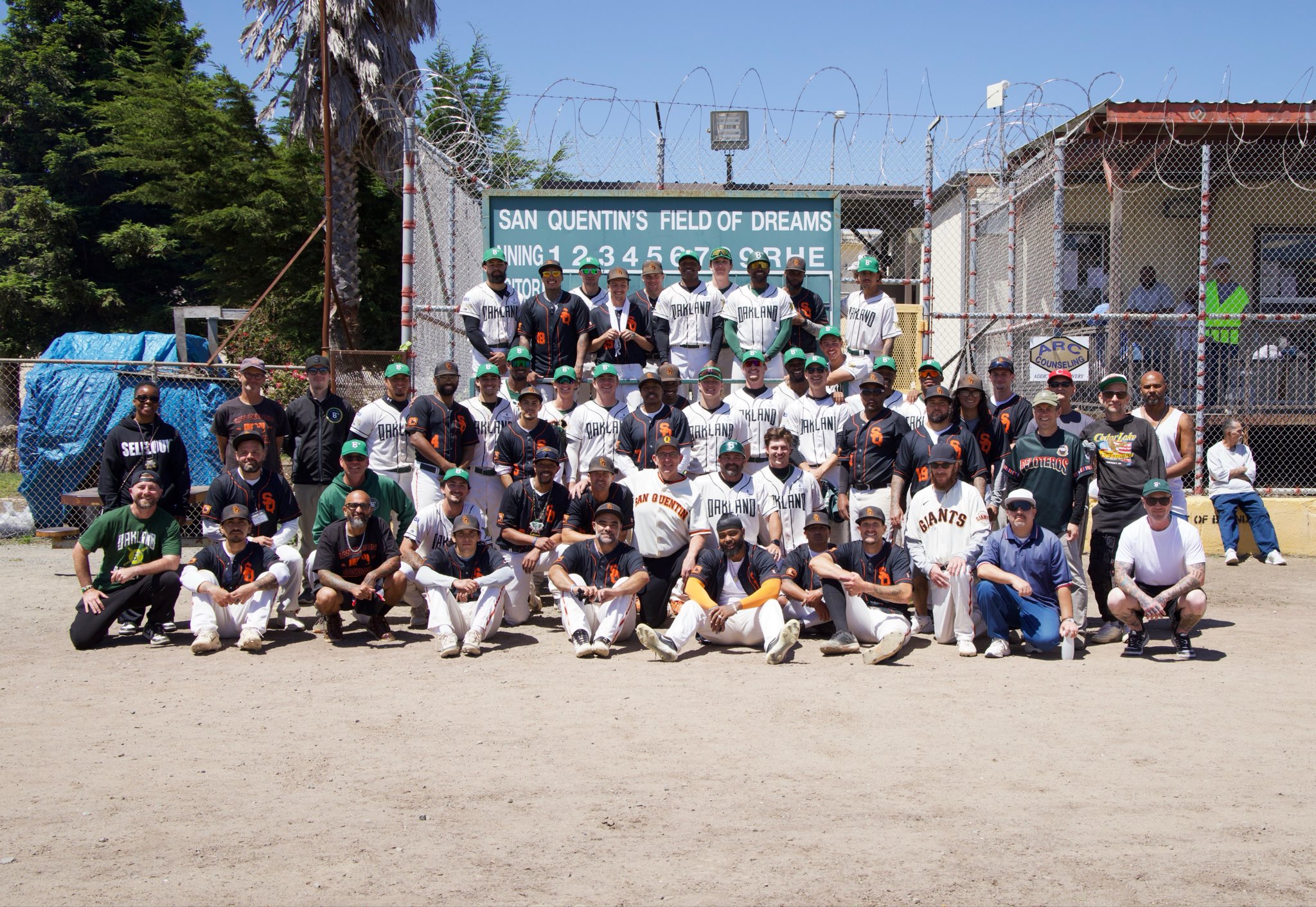
Inside the walls of California’s San Quentin Rehabilitation Center, formerly known as San Quentin State Prison, baseball took on a different meaning as the Oakland Ballers stepped onto the field for an exhibition against the San Quentin Giants, turning an unlikely setting into a field where competition and conversation unfolded side by side, with both teams sharing the same dugouts, diamond, and conversations unfolding alongside the rhythm of the game.
The Oakland Ballers of the independent Pioneer League took part in the event, known as the “Razorwire Classic”, on May 16. The event, named after the razorwire fencing that surrounds the prison grounds, brought together professional players and incarcerated athletes from disparate settings rarely connected through organized sports.
The San Quentin Giants often refer to their field as their “Field of Dreams,” a place where baseball provides structure, and a sense of normalcy within the prison environment.
The exhibition was designed to use baseball as a tool for connection, rehabilitation, and community outreach. More than just a game, it aimed to build bonds between the outside world and incarcerated individuals while promoting sportsmanship and shared humanity through the sport.
A game we’ll never forget 🙏
Thanks to the San Quentin Giants for hosting the B’s for an incredible experience today! pic.twitter.com/4DedLmGXMK
— Oakland Ballers (@OaklandBallers) May 16, 2026
The day unfolded as more than a traditional exhibition. It became a reflection of baseball’s ability to connect people from different walks of life through a shared love of the game. The Ballers earned the win over the San Quentin Giants, sure, though the result was secondary to the experience itself.
The event was highlighted by a meaningful interaction between Ballers manager Aaron Miles and members of the San Quentin Giants, adding to the significance of the day. The Ballers players embraced the opportunity, recognizing the day’s meaning extended far beyond baseball. Throughout the event, players from both teams spent time talking, sharing personal stories and learning from one another’s experiences.
“It’s going to be nice, you get to meet some of the people in there, and hear their stories, to see what they have to say. We might learn some life lessons today so I am actually very excited,” said Ballers shortstop Tremayne Cobb Jr. in a video posted to YouTube by the team, noting that he would use the opportunity to understand their lives beyond the field.
For the San Quentin Giants, the experience was equally meaningful, with players emphasizing teamwork, growth and using baseball as a way to build character both individually and collectively.
The Giants also viewed the exhibition as an opportunity to strengthen team camaraderie while connecting with players from outside the prison environment. Following the game, Ballers manager Aaron Miles was presented with a hand-painted commemorative poster by the San Quentin Giants catcher, also named Aaron Miles.
For the Oakland Ballers, participation in the Razorwire Classic reflected a commitment to community engagement and using baseball as a platform for meaningful connection. By stepping into San Quentin State Prison, the organization helped create an environment rooted in respect, competition and shared appreciation for the game.
The Razorwire Classic used baseball to bridge communities that rarely intersect, creating common ground where players, coaches and incarcerated athletes shared not just a game, but perspectives with one another, moments of understanding, and a reminder that baseball’s impact often extends far beyond the field.
Photo: The Oakland Ballers of the Pioneer League visited San Quentin Rehabilitation Center to play an exhibition game against inmates at the California correctional facility. (Photo via Oakland Ballers on X)